The rooms on this route.
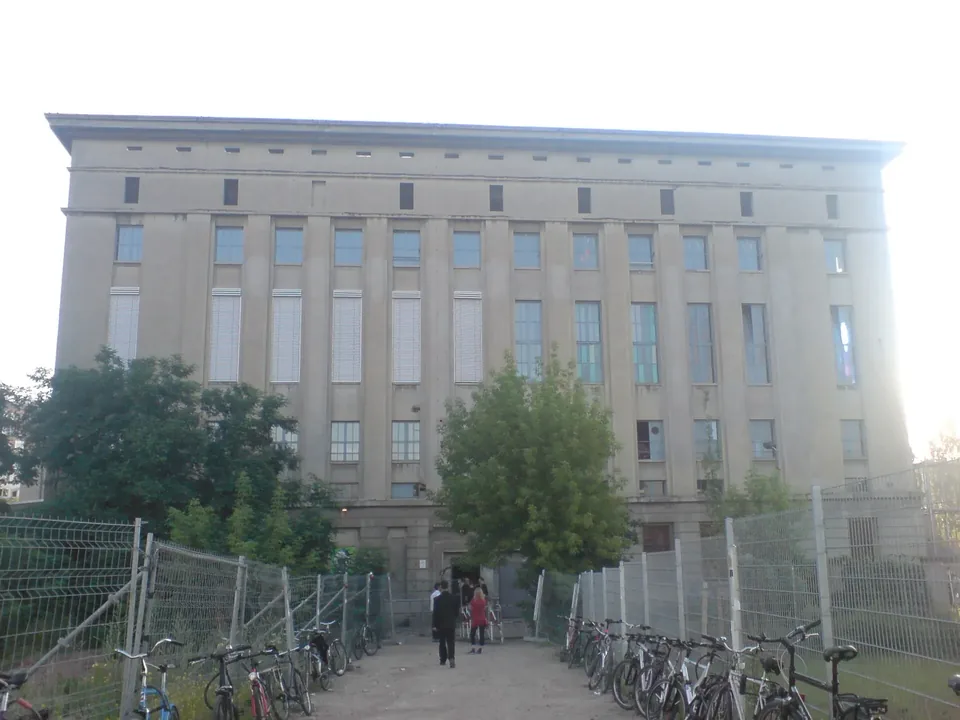
BERGHAIN
Cathedral of techno in a former East-Berlin power plant. Eighteen-metre brutalist ceilings, a purist sound system, and the strictest door policy in the world.
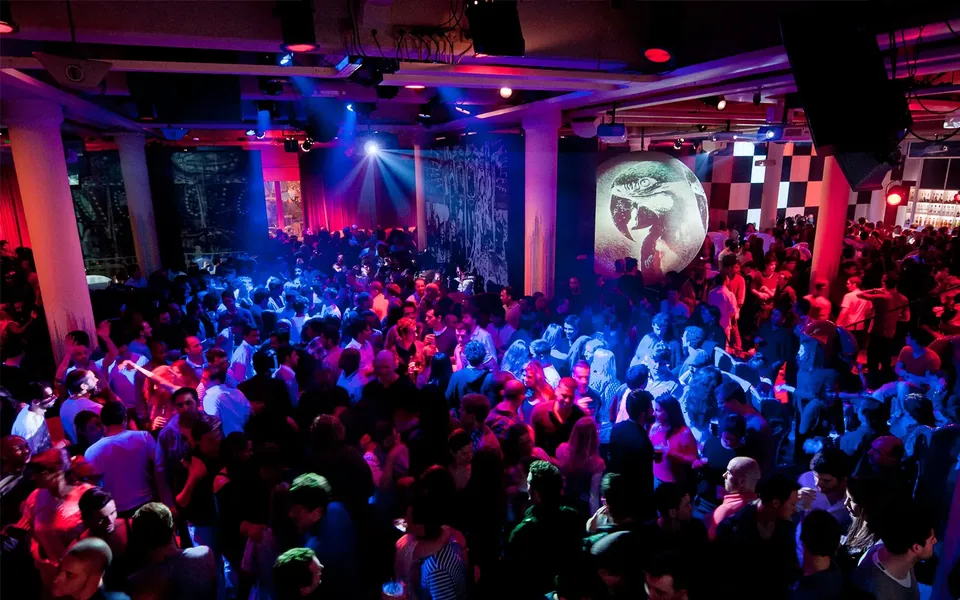
LUX FRÁGIL
Lisbon's great river club since 1998: a dock warehouse at Santa Apolónia opened by Manuel Reis on the last days of Expo 98, 1,500 people, a terrace that faces the sunrise over the Tagus. Hours, residents, how to get there.
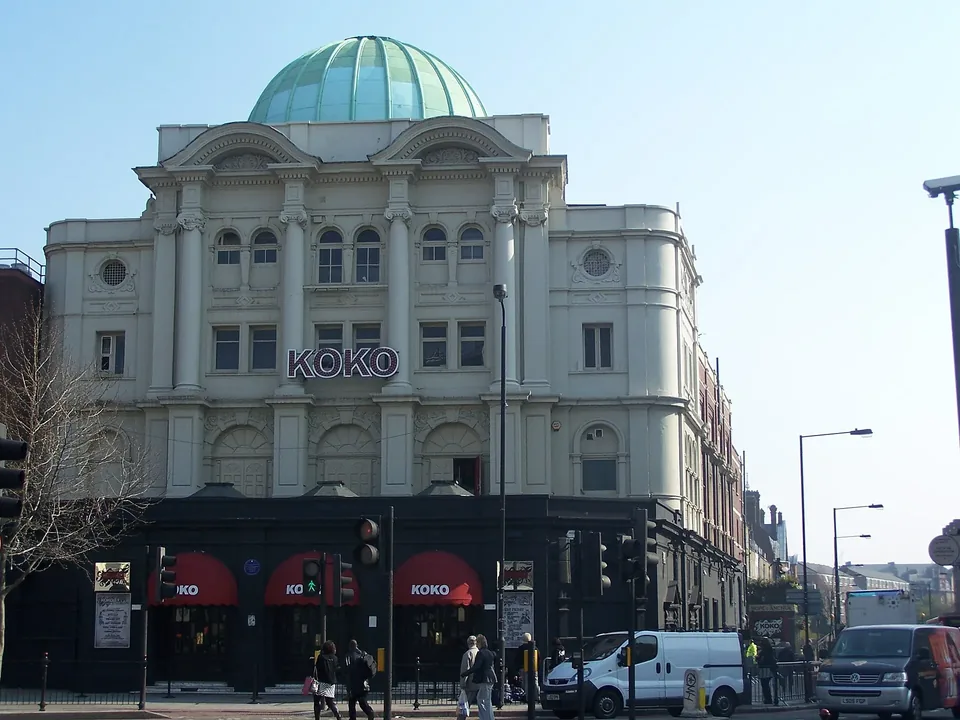
KOKO
The Camden Theatre of 1900, opened by Ellen Terry, became the BBC's theatre, the Music Machine, Camden Palace and, since 2004, KOKO. Burned in January 2020, reopened in April 2022. What plays, how to get in.
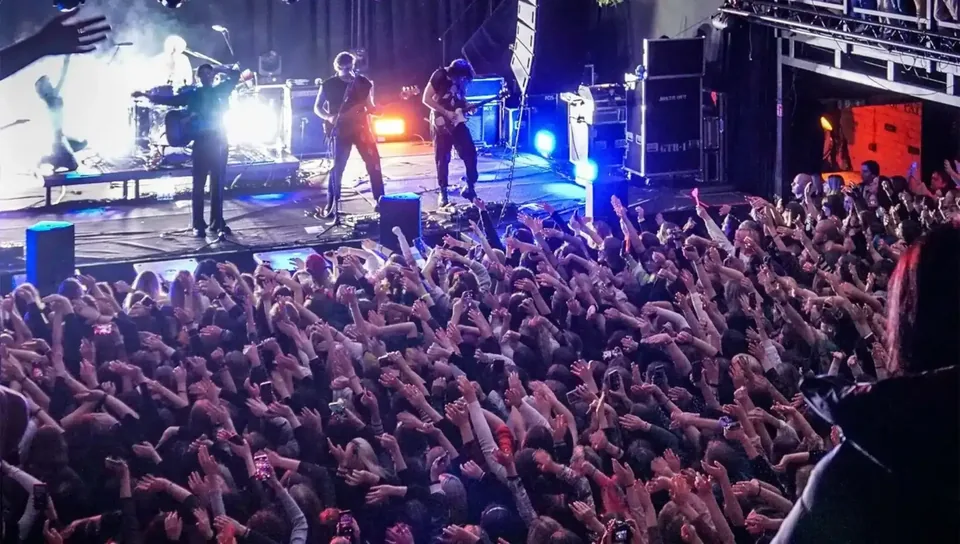
LOFTAS
A Baltic warehouse beating with rebellion. Art, bass, sweat under one roof. Housed in a repurposed factory in Vilnius' Naujamiestis district.
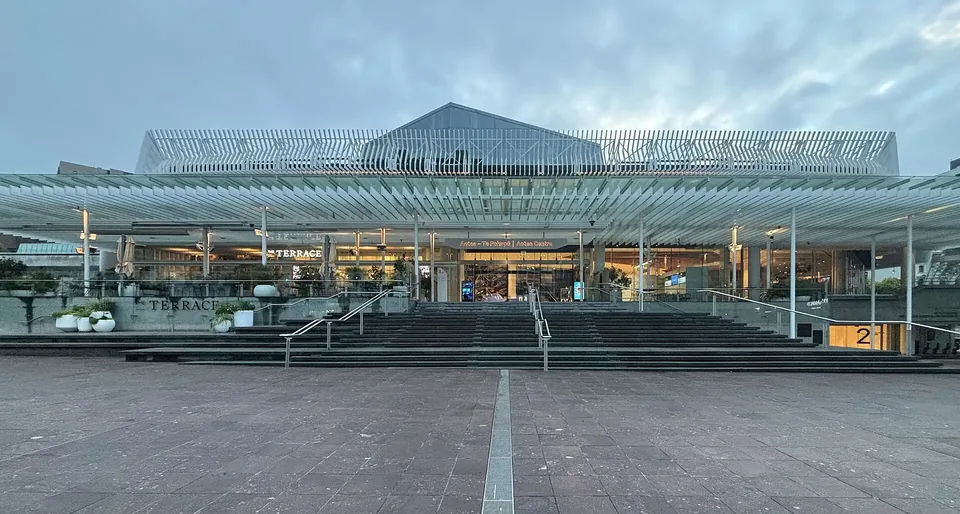
KIRI TE KANAWA THEATRE (AOTEA CENTRE)
Auckland's 1990 civic performing arts centre on Aotea Square at 50 Mayoral Drive. The Kiri Te Kanawa Theatre, renamed in November 2019, seats more than 2,000; the Herald Theatre 186.