The rooms on this route.
Bar Martha

VENUE_049 · JP
VENUE_049 · JP
BAR MARTHA
TOKYO (EBISU) · 35.65°, 139.71°
Tokyo's most uncompromising listening bar. House rules forbid loud talking, photos, and phones. The Klipschorn speakers and Garrard 301 turntable are treated like instruments.
TYPEBar
FREQRock · Soul · Jazz
PATHListening Bar
VIEWVENUE PAGE →
Blue Note Tokyo
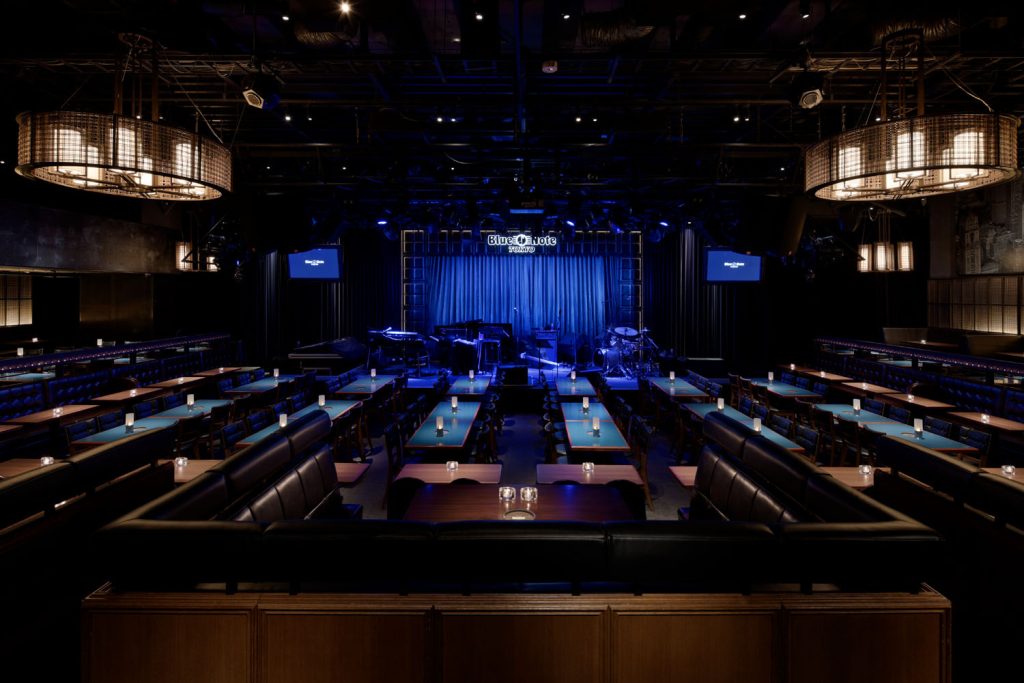
VENUE_053 · JP
VENUE_053 · JP
BLUE NOTE TOKYO
TOKYO · 35.66°, 139.72°
The Aoyama branch of New York's Blue Note since 1988. Low-ceilinged, candle-lit, two-set nights with players who would headline anywhere. Tokyo's best jazz venue by quiet consensus.
TYPEBar
FREQJazz · Soul · Fusion
PATHListening Bar
VIEWVENUE PAGE →
Studio Lam
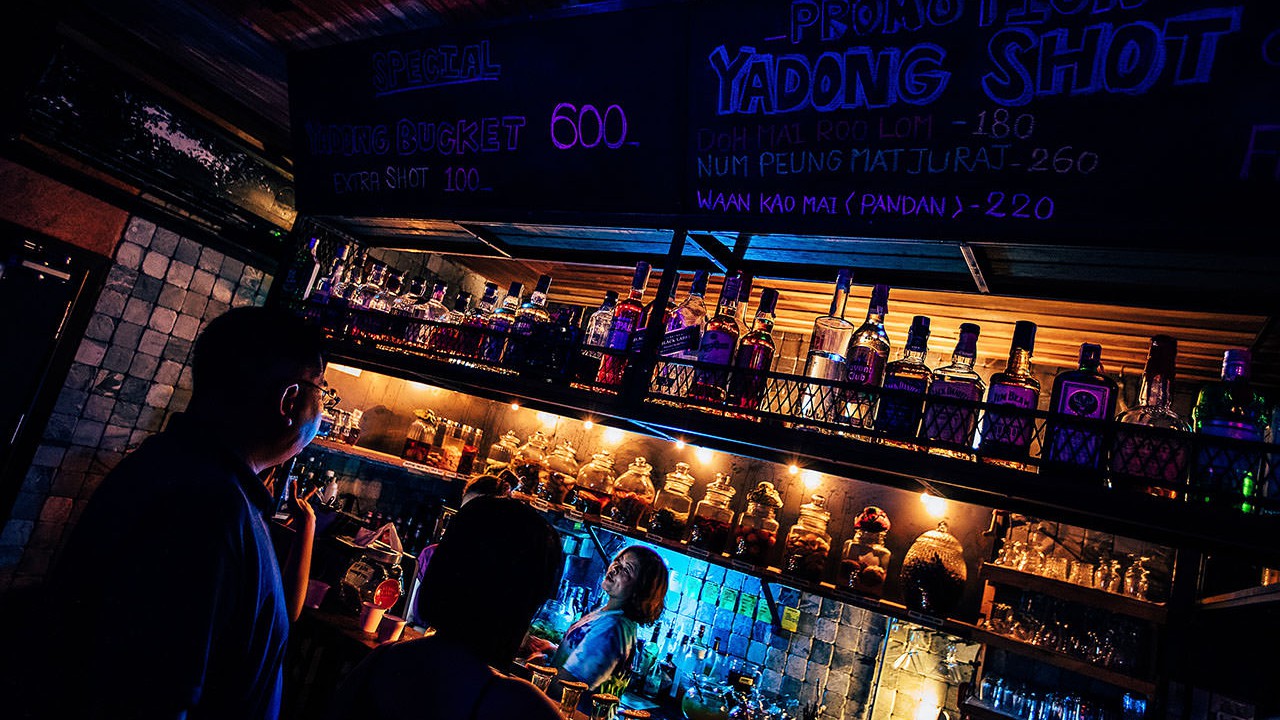
VENUE_061 · TH
VENUE_061 · TH
STUDIO LAM
BANGKOK (SUKHUMVIT) · 13.74°, 100.56°
Maft Sai's tiny Sukhumvit Soi 51 bar above Zudrangma Records. The city's headquarters for Thai mor lam revival and Asian psych-funk on original vinyl.
TYPEBar
FREQMor Lam · Thai Funk · Vinyl
PATHListening Bar
VIEWVENUE PAGE →